
Set a Clear Purpose
A school fundraiser is easier to shape when you can explain the need it serves in one clear sentence. School fundraising ideas can support different outcomes, from adding books to a reading corner to helping students take part in a class project. Define the intended change before discussing how the activity will work or what it may raise. Keep the purpose distinct from a financial target: the purpose describes the benefit, while a target is a separate planning measure. A shared purpose also gives students, families, staff, and volunteers a consistent account of their contribution.
Define the Event’s Purpose
Start with a specific need that students or the wider school community can recognize. For example, a fundraiser might support new books for a reading corner, replacement instruments for a music program, or transportation that allows a class to attend an educational visit. Name the need in plain language, then state the intended outcome: students will have more books suited to independent reading, or a class will be able to take part in a planned learning experience. A clear outcome helps you keep the event connected to a real school or community benefit.
Keep that purpose separate from the financial amount used in budgeting. “Provide age-appropriate books for the reading corner” describes a purpose; a dollar figure describes a fundraising target. You can explain the intended benefit without promising that a particular event will deliver it. When comparing fundraising ideas for schools, check whether each one can be accurately explained through the same purpose statement. If the activity and the need do not connect clearly, revise the purpose or reconsider the activity before inviting people to participate.
Identify the Intended Audience
Decide who the event is meant to include: students in a particular grade, the whole student body, families, school staff, or neighbors beyond the school. A reading activity for early elementary students, for example, may need short instructions and a parent or teacher present, while older students may be able to take on more independent participation. Naming the audience helps you judge whether the event’s language, timing, and activities fit the people you hope to involve.
Consider practical differences within that group. A weekday event may suit students and staff but be difficult for caregivers with work commitments; an evening gathering may be more accessible to families, while younger children may have limited stamina late in the day. Ask whether participants are more likely to engage through a shared activity, a student-led contribution, or a way to participate from home. For middle school fundraising ideas, peer interests and opportunities for student ownership may matter; high school fundraising ideas may benefit from giving students a defined role in shaping participation. Match the invitation and expectations to the audience rather than assuming every family has the same schedule or preferences.
Assign Responsibilities
Name one coordinator who can keep decisions and tasks connected, then identify an owner for each essential responsibility. The coordinator does not need to do every job; the role is to track who is handling each task and where a decision is still pending. For example, a simple planning record can list the task, the person responsible, and the date by which the task must be completed. Naming individuals, rather than only a committee or grade level, makes it easier to know who is preparing the next update.
Make the main roles visible before preparation begins. One person can oversee the plan and confirm that decisions support the stated purpose. A volunteer coordinator can keep a roster, note availability, and fill gaps in assigned duties. A communications lead can prepare consistent details for families and staff, while a designated contact can answer questions or route them to the right person. Event-day leads can be assigned to specific areas, such as welcoming participants, guiding students, or managing supplies. These roles can be combined for a small event, but each responsibility still needs a named owner.
Give every person a concise description of what they are expected to complete and whom to contact if plans change. If a volunteer is responsible for welcoming families, clarify the arrival time, location, and who provides final instructions. Share an up-to-date contact list with the planning group and record decisions in one agreed place, such as a shared document. Clear ownership reduces duplicated work and helps you identify uncovered tasks while there is still time to assign them.
Choose Measures of Success
Choose measures that reflect the purpose you stated, not only the amount raised. If the goal is to involve students in a community learning activity, useful measures could include the number of participating students, representation across the intended grades, and whether the planned activity took place. For a project intended to bring families together, you might record attendance by audience group and ask a brief question about whether the event felt welcoming. Decide what information you will collect before the event so that the same measure can be applied consistently.
Include the experience of the people who made the event possible. A short feedback form can ask participants whether instructions were clear, and volunteers whether their assigned tasks and time commitments were manageable. Note accessibility in practical terms, such as whether the venue and schedule allowed the intended audience to participate. Afterward, compare the planned activities with what was completed and record any gaps, such as a missed student activity or an unanswered question. These indicators show whether the event served its stated purpose and what should be adjusted next time.
Choose a Format for Your Community
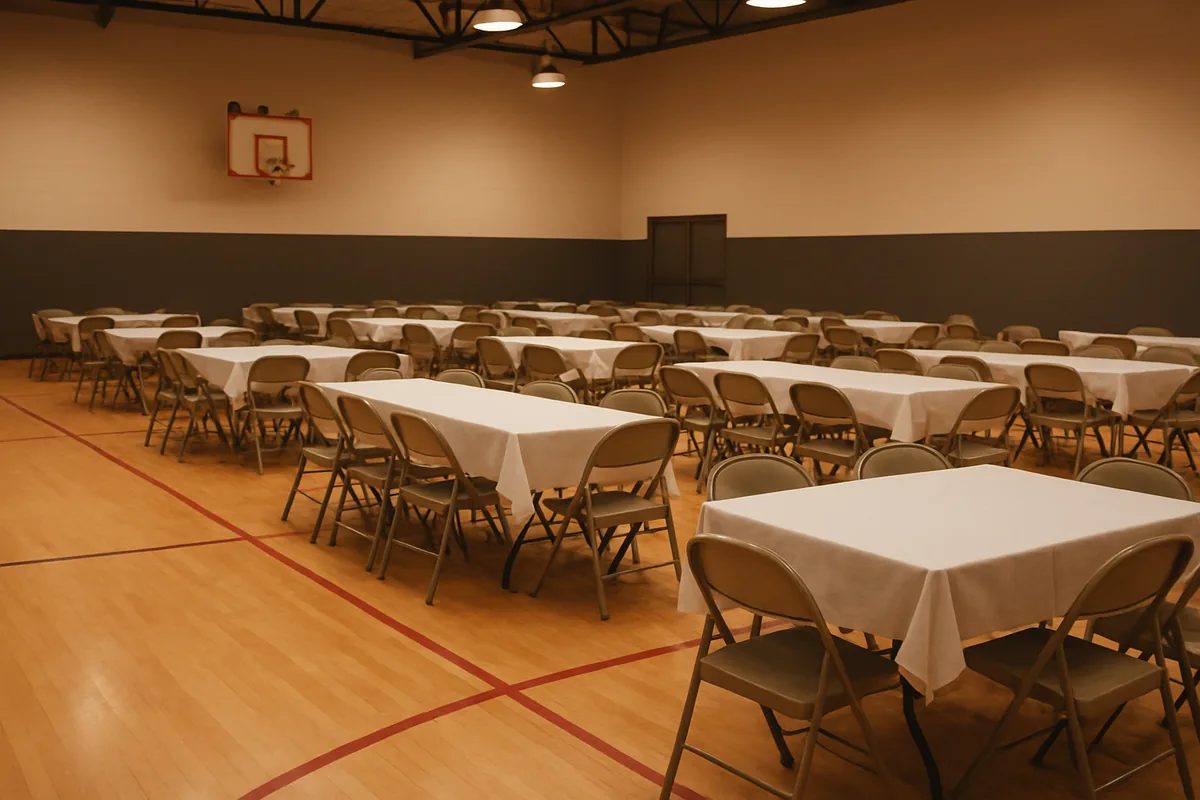
A good school fundraiser format fits the people who will take part and the practical capacity of the school community. A walkathon, performance, family gathering, sale, or digital activity each calls for a different kind of preparation and participation. Compare the demands of each option before choosing among fundraising ideas for schools. Local schedules, access needs, and volunteer skills can make one format a better fit than another.
Compare Common Event Formats
Each format brings a different mix of preparation, access, and participation. Use this comparison to identify which school fundraiser events align with your community’s interests and volunteer capacity.
| Format | Audience | Volunteer capacity | Preparation demands | Accessibility | Participation style |
|---|---|---|---|---|---|
| Walkathon | Students, families, and supporters who enjoy an active outdoor gathering. | Needs people for registration, route guidance, and participant check-in. | Plan a route, event flow, and a way to record laps or participation. | Consider route distance and surface; a school track or grounds may offer a familiar setting. | Participants walk laps or complete a set route, often with supporters following their progress. |
| Family event | Caregivers and children across age groups, including relatives who want to attend together. | Works with volunteers who can host activity stations and welcome visitors. | Coordinate activities, space, arrival flow, and transitions between stations. | A school gym or accessible campus space can support varied activities and drop-in attendance. | Families move among activities at their own pace rather than following one scheduled performance. |
| Talent show | Students who want to perform and audiences who enjoy a shared program. | Requires coordination among performers, presenters, and event-day helpers. | Arrange a program, rehearsal time, stage or performance area, and audience seating. | Check that the performance space, seating, and viewing arrangements work for attendees with different access needs. | Performers take scheduled turns while the audience watches a planned show. |
| Bake sale | Families, school staff, and visitors who can stop by a sales table. | A small group can organize contributions, display items, and manage the table. | Coordinate what contributors bring, when items arrive, and how the display will be arranged. | A table near a regular school gathering point can make brief visits possible. | People contribute items, help at the table, or make a purchase during a defined period. |
| Online or hybrid activity | School families and supporters who may not be able to attend in person. | Needs someone to manage the digital platform and, for a hybrid event, coordinate both formats. | Prepare clear online instructions, digital updates, and any in-person activity details. | Remote participation can suit people with travel or schedule barriers; mobile-friendly information helps them follow along. | Supporters participate remotely or combine online activity with an in-person gathering. |
A format’s label does not determine how well it will work: the same family event can be simple or complex depending on its activities and venue. Compare the actual tasks and participation patterns with what your community can support.
Match the Format to Available Capacity
Estimate the work each format creates before settling on an event. A short planning discussion can reveal whether your available people, skills, and spaces match those demands.
- Volunteer numbers: Count who can help before, during, and after the event; a walkathon needs route support, while a digital activity needs fewer on-site helpers.
- Planning skills: Match tasks to experience, such as arranging performers for a talent show or managing a digital platform for online participation.
- Venue needs: Confirm whether a school hall, outdoor grounds, sales table, or no physical venue is needed, and whether that space suits the format.
- Setup and cleanup: Account for assembling activity stations, arranging seating or displays, and returning the space to normal after visitors leave.
- Schedule constraints: Check school-calendar commitments, volunteer availability, and how long families can reasonably attend or participate remotely.
- Coordination level: Consider how many moving parts need active oversight, from scheduled performances to simultaneous in-person and online activities.
Choose a format whose tasks can be covered without relying on the same few people for every stage. That practical match matters more than adding activities the available team cannot coordinate.
Consider Access and Local Preferences
Location and timing shape who can participate. An event immediately after school may suit students already on campus, while an evening or weekend gathering may work better for caregivers with weekday commitments. Check whether families can reach the venue by their usual transport, whether the route and rooms accommodate different mobility needs, and whether the event’s language and instructions are clear to the people you hope to involve. Family schedules and preferred ways of taking part also vary locally. Some communities may favor a short, in-person gathering; others may have relatives living far away or caregivers working at event time. Online school fundraising can extend participation beyond the school grounds, while a hybrid option combines remote involvement with a shared campus activity. Ask families and school staff which barriers or preferences matter most, then compare those responses with the format’s actual requirements. There is no universal ranking: the most suitable choice is the one local participants can reach, follow, and join in a meaningful way.
Plan Roles and Communications
Clear ownership helps school fundraiser events move from preparation to the event day without leaving routine tasks unattended. Decide who coordinates volunteers, who sends updates, and who answers questions before invitations are shared. Keep event information in one approved version so families and volunteers receive consistent details. Use a shared task list to make ownership and progress visible to the people who need them. Confirm event-day assignments and a contact for changes before participants arrive.
Assign Planning Responsibilities
Give each recurring planning task one named owner and a clear handoff. A shared tracker can show the owner, next action, due date, and status, so a volunteer can see whether a detail is still being prepared or is ready to share.
Match responsibilities to the work involved, and make sure every volunteer knows whom to contact when a task needs attention.
- Planning lead: Keeps the task list current, follows up on open decisions, and shares a brief progress update at each planning check-in.
- Volunteer coordinator: Maintains the volunteer roster, confirms each person’s assigned shift, and notes any unfilled roles that need another volunteer.
- Communications lead: Prepares the approved event notice, sends it through agreed family and volunteer channels, and records when updates are distributed.
- Question contact: Monitors the designated email address or phone line, responds to routine questions, and directs unresolved requests to the appropriate lead.
- Preparation tracker owner: Records materials and setup tasks, identifies the person responsible for each item, and flags incomplete work before the event day.
- Event-day lead: Prepares the roster of on-site assignments, confirms who covers each task, and identifies a backup for roles with only one assigned volunteer.
Write each responsibility beside a person’s name rather than relying on broad labels such as “committee.” For shared tasks, identify one person who checks completion and a clear point when another volunteer takes over.
If someone cannot complete an assignment, ask them to notify the planning lead and update the tracker; this keeps the change visible instead of leaving a task informally unclaimed.
Share Clear Event Details
Prepare one event description for families and volunteers, then reuse the same confirmed details in emails, printed notices, and sign-up messages. State the event’s purpose and format in plain language, including whether people attend in person, participate remotely, or take part in both ways.
Include the date and schedule once confirmed, the venue or online access method, and the expected arrival or participation steps. If times are still being finalized, say when an update will be sent rather than presenting an unconfirmed schedule as final. Explain what participants are asked to do, such as register, volunteer for a shift, attend during a stated period, or bring a requested item.
Describe relevant access details accurately. For an in-person event, share confirmed information about the entrance, routes, seating, or other available arrangements; for an online activity, explain how participants reach the event or submit their contribution. Avoid implying that an arrangement is available until it has been confirmed.
End with one contact for questions and identify the best way to reach that person. A clear contact name or role and a monitored email address help families get an answer without sending the same question to several volunteers. Send corrections through the same channels used for the original notice.
Coordinate Event-Day Tasks
Before the event begins, confirm each volunteer’s assignment, arrival point, and shift with the event-day lead. Give volunteers a concise schedule that lists setup, participant arrival, the main activity, and closeout in the order they will happen. Include the person to contact at each handoff, especially when one volunteer leaves before another takes over.
Use one agreed communication channel for changes, such as a group message or a central check-in point. The event-day lead should send a short update when a task moves, a volunteer is delayed, or the schedule changes, and confirm that affected people received it.
Tell families and volunteers who handles questions during the event and where to find that person. Keep the contact role visible in the schedule or event information so participants do not have to guess whom to approach. Route questions outside that person’s responsibility to the relevant planning lead.
Prepare an Event Timeline
A useful timeline turns a selected school fundraiser format into a sequence of decisions and tasks. Start with what must be confirmed, then place preparation and event-day duties in the order they depend on one another. Use relative milestones such as “before invitations go out” or “before doors open” rather than assuming every school has the same lead time. Adjust the sequence to the event’s scale, school calendar, available space, and local routines. Keep the working timeline where the coordinator and assigned volunteers can update it.
Move from Format Choice to Preparation
Once you choose a format, such as a fun run, fundraising fair, or online campaign, confirm that it fits the intended audience and the purpose you set. Record the decision, the coordinator’s name, and any conditions that affect preparation, such as access to a gym, a school field, or a digital donation platform. This gives volunteers one reference point before they begin making arrangements.
Build the timeline around dependencies rather than fixed lead times. Confirm the event space and date before sharing event details; settle the activity plan before assigning setup tasks; and establish how participants will take part before preparing signs, registration materials, or online instructions. Put each task beside the person responsible and a clear completion point, such as “venue confirmed” or “arrival instructions checked.”
Next, map preparation tasks to the people who will carry them out. A coordinator can track open decisions, while volunteers take defined responsibilities for materials, participant information, or activity stations. Include a check that event details match across notices, registration forms, and signs. For elementary school fundraising ideas involving several activity areas, note when each area needs to be ready; for a single online school fundraising effort, include the steps for testing the donation page and preparing the message. Update the sequence when school schedules or local circumstances change.
Coordinate the Event Day
Use the event-day plan to show who takes responsibility at each phase and what information or task must pass to the next person. Relative time markers let you adapt the schedule to a morning event, an after-school gathering, or a different school routine.
| Phase | Responsible role | Key handoff |
|---|---|---|
| Before doors open: setup | Site lead | Confirm room or outdoor areas, place signs, and hand each activity station to its assigned lead. |
| Before participant arrival: volunteer check-in | Volunteer lead | Mark arrivals, share station assignments, and direct volunteers to the site lead for any setup gap. |
| Arrival and opening | Welcome lead | Greet participants, point out registration and activity areas, and pass late arrivals to the relevant station lead. |
| During the event: activity transitions | Activity leads | Give the next lead a clear signal when a group or station is ready to change over. |
| Closing and cleanup | Site lead with station leads | Tell participants the activity has ended, return materials to the agreed collection point, and confirm each area is clear. |
Share the plan with volunteers before the first participant arrives, including the location of the check-in point and who can resolve an unexpected change. A printed copy at the welcome area can help a substitute volunteer find the right lead without interrupting an activity.
Complete a Post-Event Review
Schedule a short review after cleanup, while details about arrivals, transitions, and materials are still easy to recall. Invite feedback from participants and volunteers through a brief conversation, a paper comment card, or a simple follow-up form. Ask focused questions: which instruction was unclear, where did a queue form, and which activity was easiest to join?
Record observations as specific facts rather than general impressions. Note, for example, that participants missed a sign near the entrance or that a station needed more time to reset between groups. Keep useful documents together, including the final timeline, event notices, station assignments, and any revised instructions, so the next coordinator can see what was actually used.
Separate logistical notes from personal feedback and identify the event format they relate to. If a volunteer reports that check-in instructions arrived too late, record when the instructions were shared and what change would make the handoff clearer next time. Preserve both successful details and problems; that record gives future planning for school fundraising ideas a practical starting point without relying on memory alone.
Review the Event and Improve the Next One
A useful review turns what happened at a school fundraiser into specific observations you can use when planning another event. Compare participation with the event’s purpose, and consider feedback from students, families, and volunteers. Look separately at communication, access, and the practical work of setup, event-day coordination, and cleanup. Notes gathered soon after the event are more useful than relying on memory several weeks later. Keep observations factual so future decisions reflect the community’s experience, not assumptions about which school fundraising ideas should work.
Review Participation and Experience
Review participation patterns alongside feedback from students, families, and volunteers. Use simple records, such as attendance counts by activity and a short post-event survey, to identify who took part and how the experience matched the event’s purpose.
- Compare turnout across event activities or time slots; a busy opening hour followed by a quiet final hour may point to a timing or scheduling mismatch.
- Check which groups participated, including grade levels and family members, and note whether the intended audience was represented in the activities.
- Ask students and families which parts felt welcoming, engaging, or confusing, using a brief survey or a few focused questions at dismissal.
- Record access barriers people actually encountered, such as an unclear entrance, stairs on the route, or instructions available only in print.
- Ask volunteers which tasks felt manageable and which required repeated help, such as directing arrivals or explaining activity rules.
Compare comments with observations rather than treating one response as representative of everyone. For measuring school fundraiser success, consider participation and experience alongside the event’s stated purpose, not as a substitute for it.
Record Communication and Logistics Issues
Document how event details reached families and students: note which channels were used, when information was sent, and whether people could find the date, location, schedule, and participation instructions. If families repeatedly asked whether siblings could attend or where to check in, record the exact question and where the answer was missing or hard to find. Comments from teachers, office staff, and volunteers can help identify which audience did not receive a message or could not interpret it. Keep a short event log for operational issues while details are fresh. Record when setup began, whether tables and signs were ready before arrivals, and which supplies or directions were missing. Note task handoffs by role—for example, whether the person opening the venue knew who was bringing activity materials—and capture any gaps between shifts. Include venue and scheduling problems such as a congested entrance, an activity starting late, or cleanup extending beyond the planned departure time. Separate observed problems from possible causes; “two directional signs were missing” is more useful than “communication was poor.” A consistent record makes it easier to compare recurring issues across school fundraiser events without relying on memory.
Apply Findings to Future Planning
Carry forward practices that participants and volunteers found clear and workable, such as a well-marked check-in table or a schedule shared through the channels families actually used. If the same question came up repeatedly, revise the event message to answer it directly; if a role lacked a clear handoff, name who passes materials and updates to the next volunteer. Use access and participation observations to reconsider the format, venue, timing, or activity instructions. For example, a route that excluded wheelchair users calls for a more accessible layout, while low participation in one activity may warrant different timing or clearer directions. Compare these adjustments with the original purpose and community feedback before choosing a format again. No format guarantees a successful result; the most useful choice is the one that responds to what you observed and can be planned realistically by your school.
Prepare an Event Timeline; Review the Event and Improve the Next One
A post-event review guides the next planning cycle when observations are recorded promptly. Notes about participation, transitions, and family questions give the team evidence to revisit its choices. Store the record with school planning materials and identify who will maintain it. The next team can refine the format, responsibilities, and messages rather than rely on memory.
Carry Findings Into the Next Plan
After the event, the designated note keeper can add observations to a shared planning file: which activities drew participation, where queues formed, which volunteer tasks lacked coverage, and what information families asked for. Separate observed facts from suggestions, and identify the source—for example, check-in notes or a teacher’s event log—so later planners can interpret them. At the next planning meeting, compare these notes with the event’s intended audience and school capacity. Use them to adjust the format, clarify role ownership, and revise communication details such as arrival instructions or where to find event updates. Retain unresolved questions for the next team to verify before confirming its plan; findings inform choices but do not guarantee an outcome.